
Transport Tycoon Empire 2
Alda GamesStrategy
4.676.00 Reviews
- Version
- 0.8.4
- Installs
- 50.00K
- Age Rating
- Everyone
Screenshots
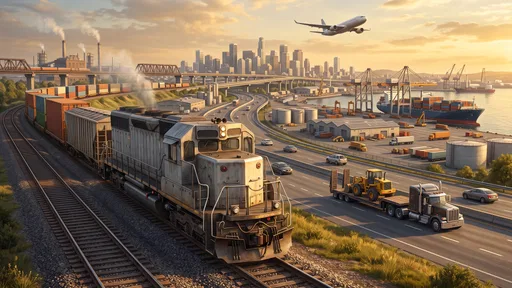
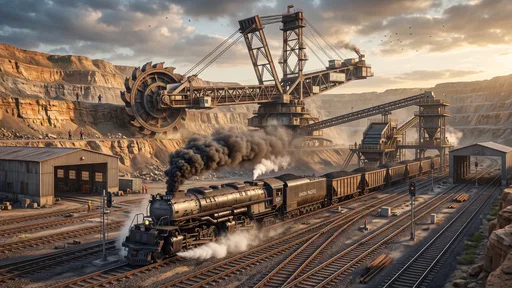
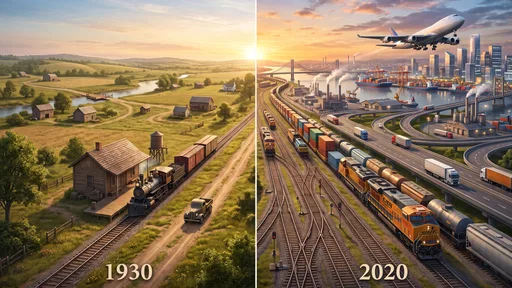
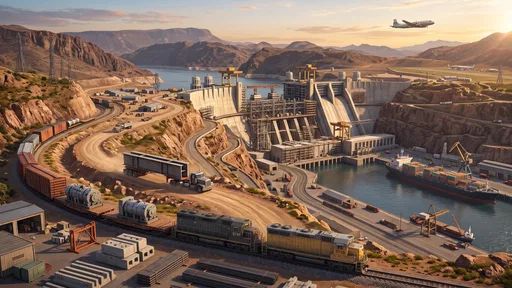
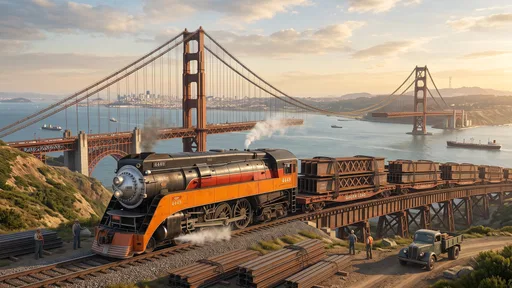
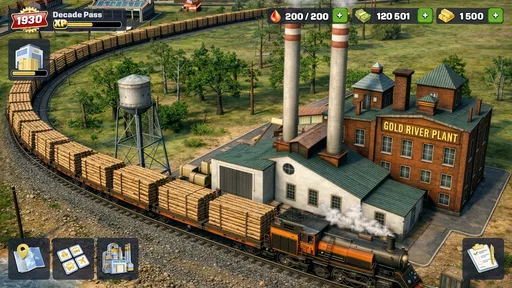
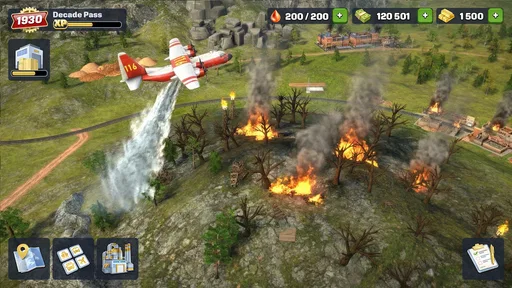
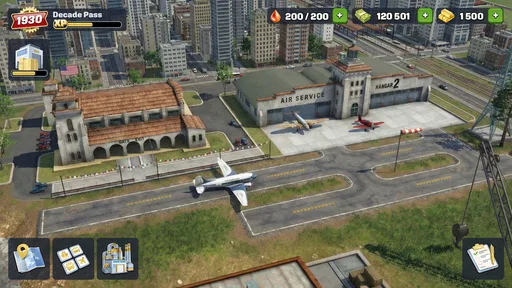
Our Review of Transport Tycoon Empire 2
 Analysis by Appyee
I approached Transport Tycoon Empire 2 expecting a familiar transport-management game, but its appeal became clearer after spending time thinking through routes rather than simply sending vehicles out. This is a strategy game from Alda Games about building a transport business across changing eras, and the central challenge is making a network work efficiently as it grows. The free entry point makes it easy to try, while the presence of optional purchases means careful players should decide early how they want to progress.
What I like most is that the game gives ordinary logistics decisions some weight. A vehicle is not useful merely because it is available; it needs a sensible job, a route that justifies its operating cost, and a broader network that can support it. That makes the experience more thoughtful than a simple tap-to-collect title. At the same time, it is not a hardcore simulator demanding spreadsheets for every move. I would describe it as an approachable strategy game with enough planning to reward attention.
How the current version feels to play
The current release is version 0.8.4, and that detail matters because the game feels like a project still being shaped rather than a completely settled management classic. I found the best experience came from treating each expansion as a decision to evaluate, not an automatic upgrade. New capacity can help a busy route, but it can also leave resources tied up in a network that is not yet ready for it.
The store presents it as a free game for Everyone, and that matches its broad accessibility. I would be comfortable recommending it to someone who enjoys planning games but does not want a complicated control scheme. The minimum operating-system requirement is Android 7.1, so it is not aimed only at recent phones. On a smaller screen, however, management games always benefit from patience: checking details carefully is more important than rushing through menus.
The public response is encouraging, with a 4.6 average from around 4.2 thousand ratings and more than 50 thousand installs. Those figures suggest that the basic loop is connecting with players, although they should not be treated as proof that every player will enjoy the same pace. The game has also accumulated 76 written reviews, which is enough to show active interest without making the rating feel like an unquestionable verdict.
Building a network instead of collecting vehicles
The most useful way to play is to think in terms of connected demand. I would begin with a small number of dependable routes and watch how they interact before spending heavily on expansion. A transport empire becomes stronger when its parts support one another, not when it simply owns a large fleet. This is the first non-obvious lesson: growth is only valuable when the network can keep that growth productive.
For example, imagine opening the game during a short break and seeing that one route is producing steadily while another is underused. My instinct would be to improve the reliable connection first, then use the resulting income or capacity to test the weaker one. That approach is less exciting than upgrading everything at once, but it reduces the chance of building an impressive-looking network that performs poorly in practice.
I also found it helpful to separate short-term fixes from long-term plans. A temporary bottleneck may not deserve a permanent investment if the whole route is likely to be replaced later. Conversely, repeatedly patching a route that is already central to the network can cost more attention than making a proper improvement. This is where the game feels most like strategy rather than decoration: every decision has an opportunity cost, even when the interface keeps the action simple.
Why the decades theme changes the rhythm
The idea of progressing through decades gives the game a sense of movement beyond a single static map. It encourages me to think about whether a current solution is merely convenient or whether it will remain useful as the business develops. That forward-looking pressure is important because it prevents every upgrade from feeling like an isolated reward.
I would not play this as a fast arcade game. The satisfying moments come from noticing that a route I planned earlier is now supporting a larger operation, or from recognizing that a small adjustment has improved the whole chain. Players who enjoy watching systems develop gradually will probably appreciate that rhythm. People looking for constant action, instant unlocks, or a story-driven campaign may find the pace too measured.
The decades framing also creates a useful trade-off between preservation and replacement. A familiar route can be valuable because it is already integrated into the network, but an older arrangement may eventually limit what the rest of the empire can do. My advice is not to discard working connections casually. First ask whether the problem is the route itself, the vehicle assigned to it, or the way it connects with other parts of the operation.
What version 0.8.4 means for players
Version 0.8.4 is the clearest current marker of the game’s development. I would read it as a sign that the experience is still evolving, so existing players should expect the balance and presentation to remain part of an ongoing process. That is not automatically negative. Strategy games often benefit from refinement, especially when developers can observe how players handle progression and resource decisions.
For a new player, the practical implication is simple: do not assume that an early habit is the only correct way to play. Learn the basic flow, keep your expansion measured, and be willing to reconsider a route when the wider network changes. For someone returning after time away, it is worth checking the current build before judging the game by an older session. A version update can affect how comfortable the overall progression feels, even if the central transport idea remains familiar.
I would still separate confirmed present experience from expectations about future development. The current version tells me where the game is now; it does not promise a particular feature, balance change, or timetable later. That distinction matters for anyone deciding whether to commit deeply. I can recommend trying the current build, but I would not buy it on the assumption that a hoped-for system is definitely coming.
The effect on players already invested
Existing users are likely to benefit most from approaching updates with flexibility. If you have already built a preferred network, resist the urge to judge every change only by whether it preserves your old routine. A management game remains interesting when it asks you to reassess priorities, although changes can be frustrating if they make earlier decisions feel pointless.
My preferred method is to keep a mental distinction between core infrastructure and experimental expansion. Protect the connections that make the business function, then use less critical routes to test a new approach. This protects progress while still letting the game challenge you. It is also a practical way to avoid overreacting when a particular strategy stops feeling optimal.
Players who enjoy optimizing every detail should pay attention to the relationship between immediate rewards and future flexibility. The strongest short-term result may not be the best long-term choice if it leaves the network difficult to adapt. That is a more advanced trade-off than the store summary suggests, and it is one reason I think the game can hold attention beyond its first few sessions.
Free access and the cost of impatience
The game is free to start, but optional purchases range from $0.99 to $199.99 per item. That wide range is the main point I would discuss with a friend before recommending it. A free download is useful for testing the management loop, but players should decide on a personal spending limit before they become invested in faster progress or attractive upgrades.
I do not think purchases are automatically a reason to avoid the game. They become a concern when impatience starts making ordinary progression feel inadequate. My advice is to play long enough to understand whether you enjoy planning routes without relying on paid acceleration. If the answer is yes, the game can remain a pleasant strategy hobby. If the answer is no, spending more is unlikely to fix the underlying mismatch in play style.
This is also where the game differs from a traditional premium strategy title. A paid game usually makes the initial purchase the main financial decision, while a free-to-play transport game asks the player to manage both the network and their own spending habits. For users who want a clearly bounded cost, a conventional premium alternative may be more comfortable, even if it offers less convenience or a smaller live-service-style progression structure.
Where it fits among transport strategy games
Compared with a deep desktop transport simulator, this game is easier to approach in short sessions and less intimidating on a phone. I would choose it when I want to make a few meaningful decisions without committing to a long planning session. The trade-off is that players seeking exhaustive economic modeling, highly detailed infrastructure control, or a fully open-ended simulation may find it too streamlined.
Compared with casual idle games, it asks more from me than repeatedly collecting rewards. Route choices and network growth give the session a planning layer, so passive progress alone is not the whole appeal. Still, it remains more accessible than a dense spreadsheet-style strategy game. That middle position is its strongest competitive advantage: it can introduce logistics thinking without demanding specialist knowledge.
It is also a better fit for players who enjoy gradual empire-building than for those who want direct competition every minute. I would recommend it to someone who likes seeing a small operation become more capable over time. I would skip it in favor of a faster tactics game if my priority were battles, reflexes, or immediate conflict. The transport theme is not a thin skin over another genre; it determines the way progress feels.
Three practical habits that improve the experience
Before expanding, identify which route is doing the most useful work for the whole network, not merely which one looks busiest. Improving a central connection can be more valuable than adding a new destination that has no support around it.
Use a quiet session to review weak links instead of spending every login on upgrades. A route that appears acceptable in isolation may be wasting potential because it does not connect well with the rest of the empire.
Keep paid purchases separate from strategic decisions. If an upgrade seems necessary only because progress feels slow, wait and reassess after another normal play session. This helps reveal whether the problem is the network or impatience.
These habits are not complicated, but they change the way I read the game. Rather than chasing the newest visible improvement, I look for the decision that makes several later choices easier. That is the kind of thinking the game quietly rewards, and it is more useful than simply memorizing an upgrade order.
Who should play it and who should pass
I think this is a strong choice for someone who enjoys transport strategy, gradual progression, and decisions that become more interesting as a network expands. It works especially well for players who like returning to a project, checking how it has developed, and making a few deliberate adjustments. The Everyone age rating and accessible controls broaden its audience, while the underlying logistics theme gives adults enough planning depth to stay involved.
I would be more cautious recommending it to anyone who dislikes free-to-play economies. Even if you never purchase anything, the existence of optional items can influence how progression feels. Players who want a single upfront purchase, a fixed experience, and no temptation to spend should look toward premium management games instead.
I would also skip it if you need a highly detailed simulation. The appeal here is the balance between accessibility and planning, not exhaustive realism. Likewise, if your ideal strategy game is built around direct player-versus-player pressure, this transport-focused structure may feel too calm. Knowing that before downloading is more useful than assuming every well-rated strategy game offers the same kind of challenge.
What I would watch as the game develops
The most important future question for me is how well the game continues to balance expansion, convenience, and spending. A transport empire should reward smart planning, not make every meaningful improvement feel dependent on a purchase. I would also watch how the progression across decades remains coherent: each stage should feel like a reason to rethink the network, not just another layer of routine collection.
For current players, the sensible approach is to enjoy what version 0.8.4 offers while keeping expectations grounded. Updates can improve clarity and balance, but they can also change the value of familiar strategies. I would protect the core of my network, experiment cautiously, and avoid making expensive commitments based on assumptions about future changes.
That measured attitude fits the game itself. It rewards patience, observation, and planning ahead, so I would apply those same qualities to deciding how much time and money to invest. The fact that Alda Games is still presenting an evolving product makes trying it now more appealing to curious players, but less suitable for anyone demanding a completely finished, unchanging system.
My overall impression is positive. Transport Tycoon Empire 2 succeeds when it turns ordinary route management into a series of connected choices, and it offers a friendlier entry into logistics strategy than many heavier alternatives. Its free price makes experimentation easy, while the optional purchase range means self-control is part of the experience. I recommend it to players who enjoy building patiently and thinking about how one connection affects another. I would not recommend it to people seeking a premium, fully fixed simulation or constant action. For the right player, though, it is an inviting transport-management game with enough room to make planning feel personal.
Verdict
Strengths of Transport Tycoon Empire 2
- Deep transport-management gameplay with plenty of strategic choices.
- Large selection of vehicles keeps progression feeling varied.
- City development adds purpose beyond simply earning more money.
- Works well for short sessions thanks to manageable task-based gameplay.
- Frequent events and objectives provide extra rewards and variety.
Limitations of Transport Tycoon Empire 2
- Energy limits can interrupt longer play sessions.
- Upgrading vehicles and buildings may become expensive over time.
- Some menus feel crowded when managing a large transport network.
- Progression can feel slow without carefully saving premium resources.
- Online features and updates may require a stable internet connection.
Other Releases by Alda Games
View All
Ghost Sniper: War FPS Shooter
Action4.5
Similar Picks in This Category
View All
Clash of Clans
Supercell4.5

Plants vs. Zombies™
ELECTRONIC ARTS3.7

Lords Mobile: Kingdom Wars
IGG.COM4.5

Clash Royale
Supercell4.4

State.io — Conquer the World
CASUAL AZUR GAMES4.1

Car Driving School : Car Games
Spark Game Studios3.9
Frequently Asked Questions
What is Transport Tycoon Empire 2?
Transport Tycoon Empire 2 is a business and transportation simulation game in which you build and manage a logistics company. You develop roads, ports, airports, and rail connections while transporting passengers and different types of cargo. The main objective is to expand your network, complete contracts, improve vehicles, and earn enough money to grow from a small operator into a major transport empire.
Is Transport Tycoon Empire 2 free to download and play?
The game is generally available as a free download, allowing you to start building your transport company without paying upfront. However, it includes optional in-app purchases that can provide premium currency, upgrades, resources, or other time-saving benefits. Progress is possible without spending money, although players who want faster construction and upgrades may encounter offers during regular gameplay.
Can I play Transport Tycoon Empire 2 offline?
Transport Tycoon Empire 2 is designed primarily as an online game, so a reliable internet connection may be required for important features, account synchronization, events, advertisements, and in-app purchases. Some previously loaded sections may appear accessible temporarily without a connection, but offline play should not be considered fully supported. Connecting to the internet also helps prevent progress issues.
What can I do in Transport Tycoon Empire 2?
The game offers more than simply buying vehicles and sending them from one location to another. You can construct and expand transportation infrastructure, manage routes, accept delivery contracts, upgrade trucks, trains, ships, and aircraft, and improve the efficiency of your company. As the map develops, planning becomes increasingly important because vehicle capacity, travel time, expenses, and available resources all affect your profits.
Is Transport Tycoon Empire 2 suitable for casual players?
Transport Tycoon Empire 2 can work well for casual players because many tasks are completed through relatively short management sessions, and vehicles can continue operating while you are away. Nevertheless, the game becomes more demanding as your network grows, requiring regular attention to contracts, upgrades, resources, and route efficiency. It is best suited to players who enjoy gradual progression and light strategic planning.
Play our best games!


